The Affects of Stress
Building Healthy & Productive Animals
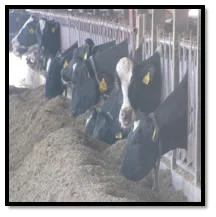
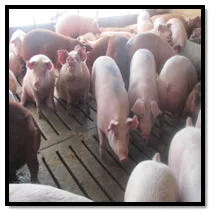
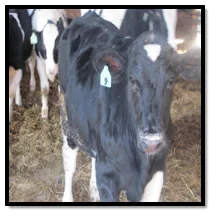
Stress, what is stress? Stress occurs when animals are overwhelmed, depressed, exhausted, over worked, affected by environmental change such as extreme heat and cold, transportation, comingling, handling, weaning, maternity, disease, sickness, muddy lots, overcrowding, feeding for high production, and poor nutrition. These are all stress factors that livestock experience frequently. Stress affects many things, #1 most importantly is the immune system. And health is the #1 thing you want in your livestock. Without a good immune system your livestock will never perform to its genetic potential. Stress also affects blood flow, performance, feed intake, conception, semen quality, disease resistance, milk production and quality, death loss, cull rate, and profitability. No matter what type of livestock you have animal health is first and foremost. If that animal does not have a good immune system and healthy digestive tract it is not going to perform and be profitable. Body condition is the second most important thing. This can be done with proper nutrition. But stress of any kind can affect all of this.
I think we all know that B-vitamins help with stress. That is why we give sick and stressed animal’s shots of B-vitamins. B-vitamins improve animal comfort by giving them needed energy and stimulates appetite and immune function. For those of you that don’t know, B-vitamins are made from a specific strain of bacteria. Ruminate animals do have the capability of producing their own B-vitamins naturally in the rumen. But if the ruminate animal has an unhealthy rumen, or rumen damage due to acidosis or mycotoxins, or stressed, sick and off feed they will not produce the B-vitamins they need.
All B-vitamins help the body to convert feed (carbohydrates) into fuel (glucose) which is burned to produce energy. These B-vitamins, often referred to as B complex vitamins, also help the body metabolize fats and protein. B complex vitamins are necessary for healthy skin, hair, eyes, and liver.


Types of B-Vitamins

Direct-Fed Microbials and Stress Reduction
Improving Digestion & Health
Putting good beneficial bacteria to work for your livestock. Utilization of feeds that maximize the efficiency of the rumen is very important. Direct-fed microbials (DFMs) are natural feed additives used in calves, beef & dairy cattle, whitetail deer, horses or any animal in a stressful situation. All animals experience stress. Feeding proper DFMs can increase the number of beneficial bacteria and enzymes in the rumen to establish a desired microbial balance. Yeast extract can benefit those microbes that digest fiber, protein, and starch by utilizing lactic acid. This increases rumen pH to favorable conditions for the enzymes and microbes to digest. There are already billions of bacteria and enzymes in the rumen. The idea behind DFMs are to put specific types, strains, and numbers of bacteria and enzymes into the rumen improve digestion and overall health. All probiotics or DFMs are not the same. There are hundreds of various strains and combinations.
RECAL Extra and RECAL Powder are direct-fed microbials (DFMs) that are fairly new to the market. RECAL PLUS and RECAL Powder are formulated to improve on overall health, digestion, performance, and reproduction. Our main goal at RECAL Microbials is animal health. RECAL PLUS is currently being researched by Dr. G.W. Snider of Goshen, Indiana. He is a very well-known dairy veterinarian across the country. With his research, we are finding that RECAL PLUS aids in improving immune systems, better digestion, increasing feed efficiency, improving reproduction, lowering somatic cell counts and reducing cull rates.